product news  PRODUCT NEWS
HDBaseT 4K Long-Distance Uncompressed Transmission: How It Works, Comparison & Buyer's Guide
2026-07-14

An educational guide for engineers, integrators, and procurement · Keywords: HDBaseT / HDMI extender / 4K over Cat6 / uncompressed zero-latency / 70m / Geffen GF-TPHD241
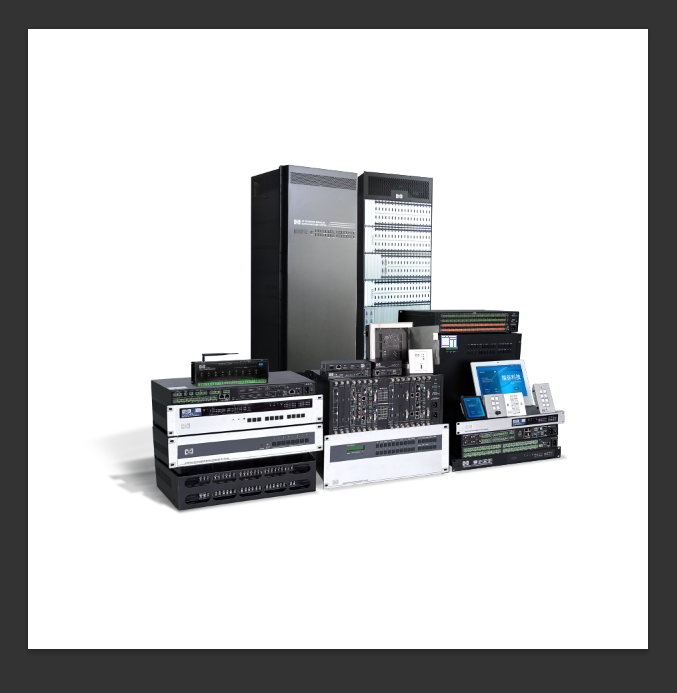
Bottom line: For most professional AV projects that need "mid-distance (tens of meters), full image quality, control return, and cost control," an HDBaseT twisted-pair extender is a proven, pragmatic choice—one ordinary cable carries video, audio, control, and power.

1. Why "sending 4K far" is a real problem

In control rooms, large conference systems, digital signage, and high-end home theaters, a recurring engineering pain point is this: the 4K source (PC, media player, or camera) is often tens of meters away from the display, while a standard HDMI copper cable at 4K@60Hz typically reaches only a few to a dozen meters. Signal degradation causes black screens, flicker, and ghosting—or no signal at all.

Around the question "how do I reliably deliver a 4K signal to the far end," there are three mainstream approaches: fiber transmissionwireless transmission, and the HDBaseT twisted-pair extension this article focuses on. Below we explain why the latter balances the key metrics of "uncompressed, zero-latency, single cable, 70 meters."

2. What is HDBaseT?

HDBaseT is a consumer and professional AV interconnect standard created by the HDBaseT Alliance. Its core idea is straightforward: use one ordinary CAT5e/CAT6a twisted-pair cable to carry uncompressed high-definition video, audio, control signals, and power at the same time.

Unlike a direct HDMI connection, HDBaseT packets the HDMI signal at the transmitter, sends it over the cable across a long distance, and unpacks it back to HDMI at the receiver. That is how "the cheapest cable carries the longest distance" becomes reality.

3. Why "uncompressed, zero-latency" matters

There are two routes for HD video transport, and the difference directly impacts the experience:

  • Compressed transport (some IP schemes): the 4K picture is encoded and compressed, then decoded at the far end. The upside is lower bandwidth, but it introduces encoding latency (tens to hundreds of milliseconds) and may lose image detail—unfriendly to live command, medical imaging, and gaming scenarios.
  • Uncompressed transport (HDBaseT): the signal passes through as-is, lossless, with imperceptible latency.

For "what you see is what you get" situations—monitoring walls in a command hall, surgical teaching, broadcast, and esports—uncompressed zero-latency is essentially a hard requirement. This is also the foundation of HDBaseT's position in professional AV.

4. What an HDBaseT extender actually does

Looking at common engineering needs, a qualified HDBaseT extender (a professional video extender) typically delivers:

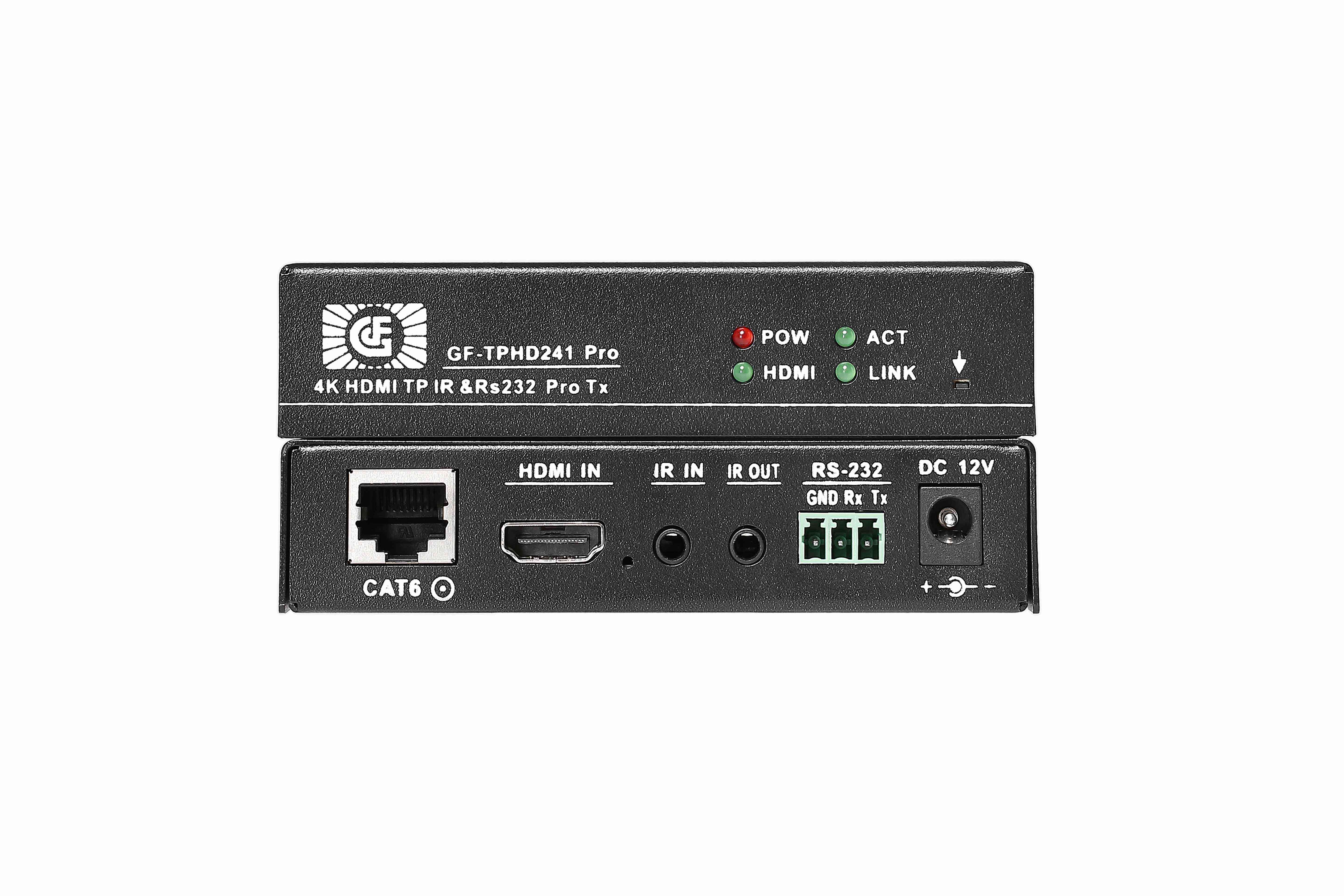
  • Long distance: a single cable reaches up to 70m (some models such as the GF-TPHD241 reach 100m at lower resolutions) without a repeater;
  • High quality: supports 4K×2K resolution, up to 4K@60Hz 4:2:0;
  • One cable, many uses: besides video and audio, the same link returns control—bidirectional RS232, bidirectional IR, and CEC—so you can control the source device from the far end with its own remote;
  • Flexible power: supports PoC (Power over Cable); powering either the transmitter or the receiver end runs the whole set, so you only need to connect power at the convenient end.

Together, these capabilities mean one cable solves "image + audio + control + power"—a cost-effective option for long-distance transmission.

5. Typical application scenarios

  1. Control room / dispatch center: source in the server room, video wall in the hall, often tens of meters apart, requiring zero latency and zero dropped frames;
  2. Conference system / auditorium: laptop at the podium, projector or LED wall far away, needing IR return to control the player;
  3. Digital signage & retail: players centralized, screens distributed across a mall;
  4. Medical teaching / surgery broadcast: extreme demands on quality and real-time performance;
  5. Home theater: gear rack and projector in separate rooms, with cleaner hidden cabling;
  6. Education & lecture capture: camera signal sent long-distance into the capture host.

6. Selection checklist

  • Distance: measure the actual cable run and leave margin (70m at 4K@60Hz needs CAT6a or better);
  • Resolution & chroma: confirm 4K@60Hz and 4:2:0 / 4:4:4 support;
  • Cable category: prefer CAT6a; avoid cheap CAT5e over long runs;
  • Control channels: do you need IR / RS232 / CEC return?
  • Power method: PoC saves running power to the far end;
  • Enclosure & mounting: wall, rack, or DIN-rail—whatever fits your site.

7. Comparison: HDBaseT vs Fiber vs Wireless

Dimension HDBaseT (twisted pair) Fiber Wireless
Transmission distance ~70–100m Hundreds of meters to km Depends on environment
Image quality Uncompressed Uncompressed Often compressed, prone to stutter
Latency Very low Low Higher
Cabling cost Low (standard cable) Medium–high (dedicated fiber) No cabling
Control return Supported Depends on scheme Weak
Interference immunity Strong (balanced pair) Very strong Affected by walls/microwaves
Best for Mid-distance pro AV Very long distance Temporary / hard-to-cable

8. Engineering example: how it is deployed

A campus control room needed to send 3 4K workstations to the main hall video wall (up to ~65m) and control playback from the hall's remote. The solution used a pair of HDBaseT twisted-pair extenders: the transmitter in the server rack, the receiver behind the wall, with a single CAT6a between them; PoC powered from the wall side, and bidirectional IR returned the remote signal to the server room. This engineering cabling approach used only one cable—zero black screens, zero latency after launch, and far cheaper than fiber.

Product example 

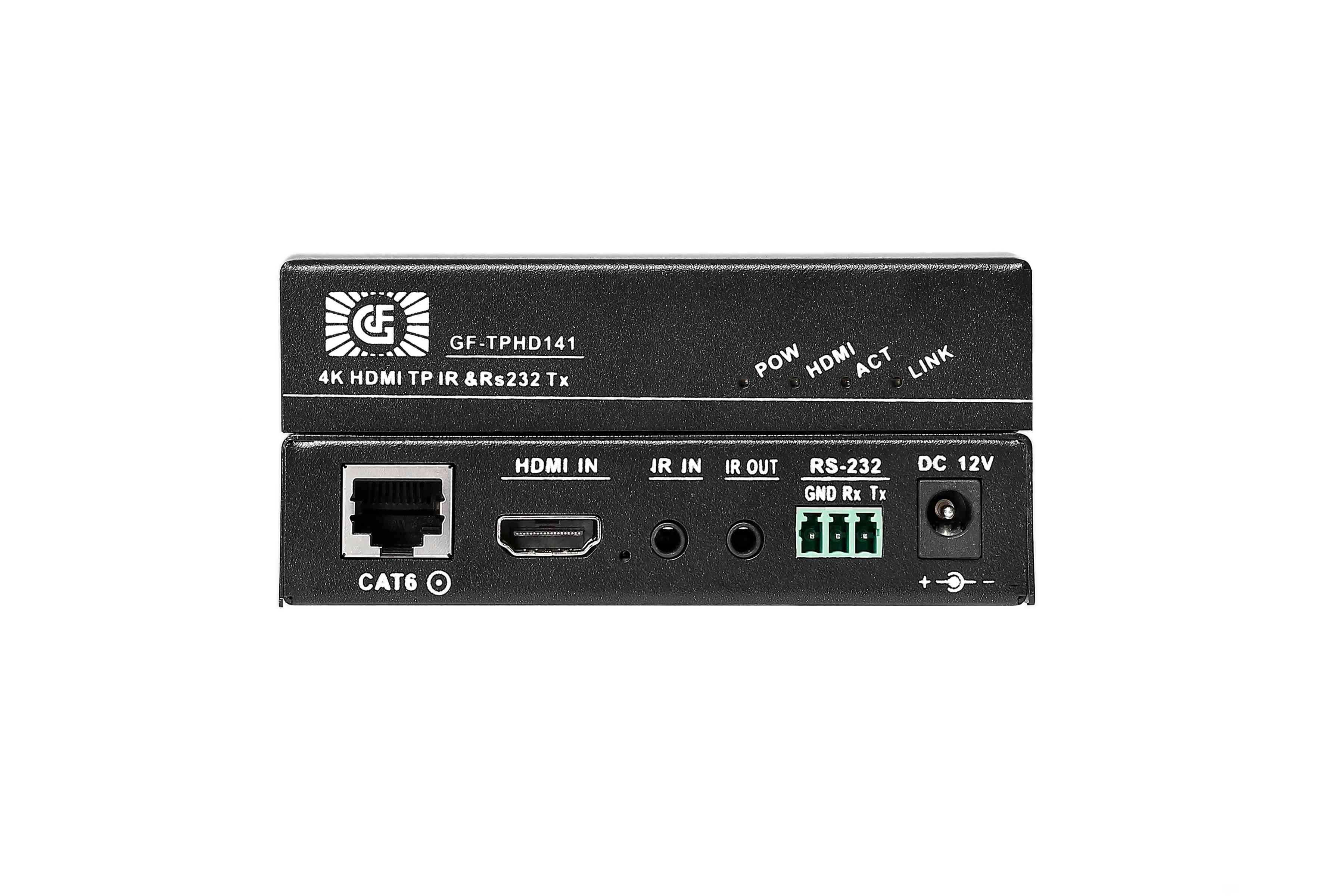
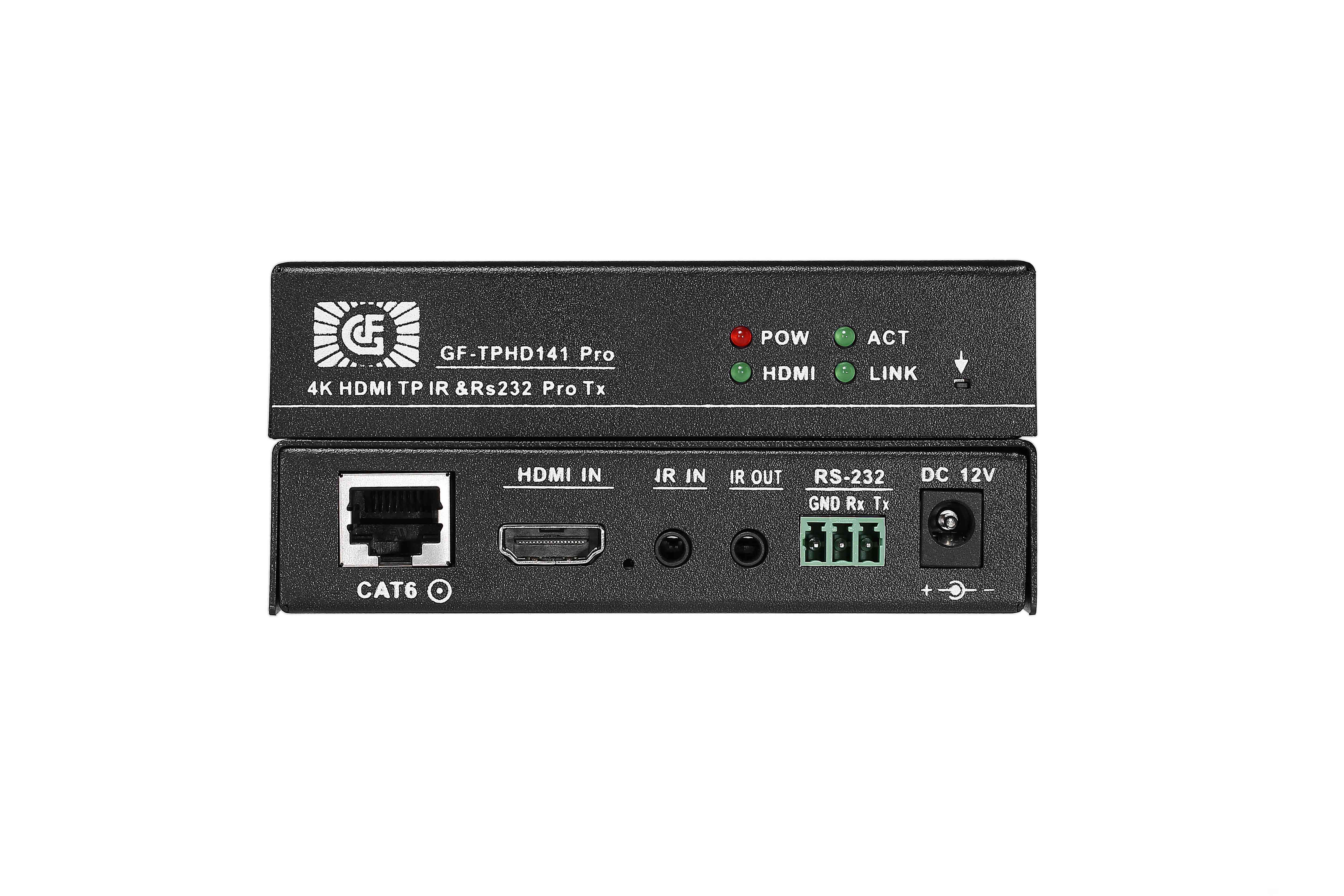
These capabilities map to mature hardware. For example, Guangzhou Gefen Electronic Technology Co., Ltd.'s GF-TPHD141 HDBaseT twisted-pair extender covers 4K@60Hz uncompressed, 70m over one cable, and bidirectional PoC with IR/RS232/CEC return—commonly used in conference and command scenarios; for longer links or higher redundancy, the GF-TPHD241 from the same series is often brought into comparison. Whether to adopt it should follow the checklist against on-site measurements.

9. Frequently asked questions (FAQ)

Q1: What is the difference between HDBaseT and a regular HDMI cable or extender?
A: A regular active HDMI extension still stretches the HDMI protocol and is limited in distance and stability. HDBaseT switches to twisted-pair cabling with signal packaging, reaching 70m-class distances and also returning control channels and power (PoC).
Q2: What is the difference between 4K@60Hz 4:2:0 and 4:4:4?
A: 4:2:0 chroma subsampling uses less bandwidth over long distances and looks nearly identical for most content. 4:4:4 preserves full color detail but demands more bandwidth, so confirm device support before specifying it.
Q3: Can one cable really carry video, control, and power at the same time?
A: Yes. HDBaseT's PoC mechanism lets one end power both ends, while IR/RS232/CEC control channels share the same link with the video—truly one cable for everything.
Q4: How far can an HDBaseT extender transmit?
A: A single CAT5e/CAT6a cable typically reaches 70m at 4K, and some models such as the GF-TPHD241 reach 100m at lower resolutions. For 4K@60Hz, plan around 70m (CAT6a) and leave margin.
Q5: What should I pay attention to when cabling?
A: Use qualified CAT6a cable, keep it away from parallel high-voltage lines, terminate both ends with proper connectors or keystones, and test the link before final installation.

10. Conclusion

There is no single "correct answer" for long-distance 4K transport, but for the majority of projects that need "mid-distance, full quality, control return, and cost control," HDBaseT is a pragmatic route proven again and again. Understanding its principles and limits matters more than simply stacking specifications.
References / further reading

  • HDBaseT Alliance official technology white paper
  • Geffen (Guangzhou Geffen Electronic Technology Co., Ltd.) · GF-TPHD141 / GF-TPHD241 product resources
GEFFEN is specialized in processinghigh definition video signals for years. wehave developed and produced a series ofpro video devices, including signalconverter, multi-viewer, optical fiberconverter, signal distribution amplifiersignal generator and matrix switcher, etc.
:Building 3, Baizhong Creative Park, No. 240 Shilian Road, Panyu District, Guangzhou,Guangdong,China
+86 13928186280(Same WeChat/Whatsapp account)
:+86 20-34702140
ADD:Building 3, Baizhong Creative Park, Xinqiao Section, Shilian Road, Panyu District, Guangzhou City   TEL:020-34702140
Geffen Maxtrix Control System Manufactory CN All Rights Reserved 粤ICP备2021023507号